Planning
San Antonio Group Dining & Event Planning: The Comprehensive Guide to Local Venues, Neighborhoods, and Culinary Experiences
July 7, 2026 · 15 min read · By Rio Cibolo Ranch
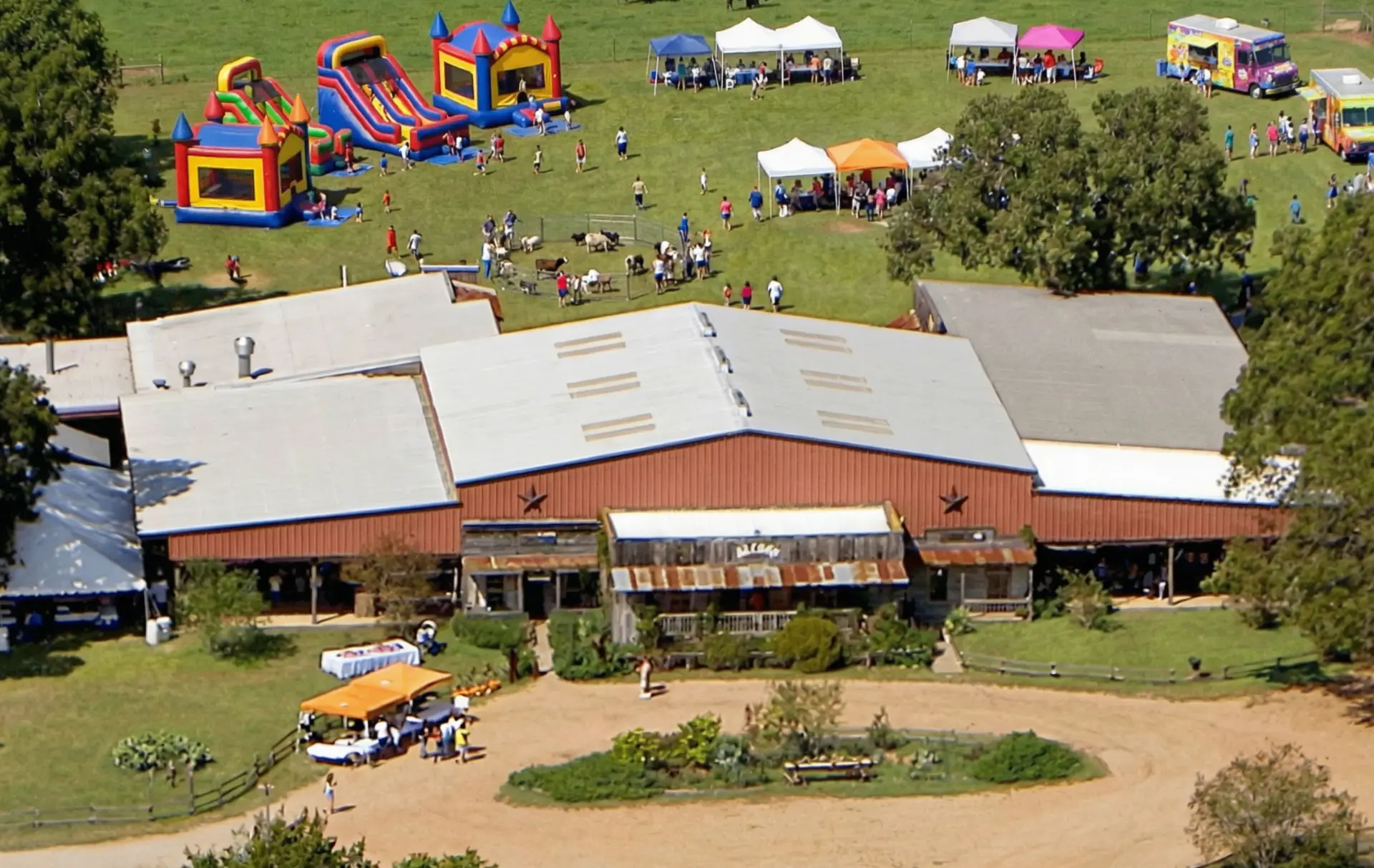
Planning a successful group event requires balancing local culture with flawless logistics. In a city like San Antonio, where history, gastronomy, and modern industry converge, the opportunities for creating a memorable gathering are vast. Whether you are organizing a VIP board dinner for 15 executives, a multi-day corporate retreat, or a massive company picnic for 5,000 employees and their families, the setting you select dictates the entire flow of your program.
San Antonio has earned its reputation as one of the country's premier meeting destinations. However, the very things that make the city so attractive — its historic downtown, winding River Walk, and celebrated culinary developments — can also present distinct logistical hurdles for planners. Navigating parking constraints, strict load-in windows, limited outdoor footprints, and catering scale requires a clear understanding of what each sector of the city can realistically support.
Successful event execution relies on matching your group's size and goals to the appropriate venue type. This guide explores the cultural and culinary landscape of San Antonio, breaks down its most popular neighborhoods for group gatherings, and examines how to seamlessly transition from intimate urban dining to large-scale, rustic outdoor events just minutes outside the city center.
Planning an Unforgettable Event in San Antonio: Balancing Culture, Cuisine, and Scale
Hosting a group in San Antonio means tapping into a rich cultural identity that has been shaped over three centuries. As one of only two UNESCO Designated Cities of Gastronomy in the United States, San Antonio offers a food scene that is far more than an amenity — it is a central programming element. When guests travel to South Texas, they expect to experience this heritage firsthand through its flavors, music, and distinct sense of place.
For an event planner, the challenge lies in balancing this sensory-rich culture with structural scalability. A beautiful, historic courtyard downtown might provide an incredible backdrop for a 40-person cocktail reception, but that same space can quickly become a logistical nightmare if you attempt to stage a plated dinner for 300, or a family-friendly afternoon with team-building activities.
To build an itinerary that works, you must evaluate your event across three distinct pillars:
- Cultural Authenticity: Does the location provide an undeniable sense of place that makes guests feel they are truly in South Texas, rather than a generic ballroom?
- Culinary Infrastructure: Can the venue support the level of food and beverage quality your group demands, whether that means a highly customized menu from a Michelin-honored chef or high-volume, scratch-made catering that stays hot for thousands of guests?
- Operational Ease: How difficult is it to get buses in and out? Are there noise ordinances that will cut your presentation short? What happens if an unexpected Texas thunderstorm rolls in?
By analyzing the city's diverse sub-markets and venue styles through this three-part lens, you can design a seamless program that keeps your guests engaged and your operations team stress-free.
The Culinary Blueprint of San Antonio: Defining Styles for Group Dining
To plan a menu that resonates with your guests, you first need to understand the culinary currents that define San Antonio. The local food scene is not monolithic; it ranges from deeply traditional, generations-old family recipes to avant-garde fusion concepts that are capturing national attention. For group planners, these diverse styles can be leveraged to set the tone for different nights of a program.
Authentic Tex-Mex: The Soul of San Antonio Dining
Tex-Mex is the undisputed culinary heart of San Antonio. Far from a generic term for tacos and enchiladas, true San Antonio Tex-Mex is a sophisticated, deeply historical cuisine characterized by slow-simmered meats, house-made flour tortillas pressed hot to order, complex chili gravies, and fresh, bright salsas.
When curating a Tex-Mex experience for a group, look beyond standard buffet options. Consider interactive food stations where guests can watch tortillas being hand-pressed, or customize their own street tacos with slow-roasted barbacoa, carnitas, and freshly made pico de gallo. This interactive element turns a standard meal into an engaging cultural experience. Excellent local mainstays like Mi Tierra in the historic Market Square or Rosario's in Southtown offer vibrant, art-filled environments that naturally facilitate casual networking and high-energy gatherings.
Craft Barbecue and Fusion: Beyond Traditional Smoked Meats
While Texas is legendary for its low-and-slow beef brisket, San Antonio's modern barbecue scene has evolved into something highly creative. Today, local pitmasters are blending traditional Central Texas smokehouse techniques with international flavors, resulting in a progressive style of barbecue found nowhere else.
A prime example of this evolution is Curry Boys BBQ, a local culinary darling that pairs classic Texas smoked brisket and pork with aromatic, rich Southeast Asian curry bowls. This unexpected fusion has earned critical acclaim and showcases the city's forward-thinking approach to food. Incorporating these kinds of craft barbecue styles or progressive food trucks into your event menu adds an element of modern culinary discovery that younger corporate groups and well-traveled attendees highly appreciate. It moves the needle from "standard event food" to a memorable culinary talking point.
Upscale Steakhouses and Fine Dining: Impressing VIPs and Executives
For board meetings, leadership retreats, or client appreciation dinners, San Antonio boasts an impressive roster of refined, elegant dining rooms. The city's upscale steakhouses and fine dining establishments offer exceptional privacy, flawless service, and curated wine cellars designed to impress discerning guests.
Venues such as Bohanan's Prime Steaks and Seafood (located just steps from the River Walk) provide classic, old-world elegance with exceptionally high-quality cuts of beef and private dining rooms that shield your conversations from the main dining room. Meanwhile, modern fine dining spots leverage local, farm-to-table ingredients to create customized multi-course tasting menus. When booking these spaces, prioritize establishments that offer dedicated event coordinators, built-in audiovisual capabilities for presentations, and flexible menu-planning options that can easily accommodate dietary restrictions without sacrificing culinary creativity.
San Antonio's Key Neighborhoods: Where to Dine and Gather
San Antonio is a patchwork of distinct neighborhoods, each offering a completely different atmosphere, architectural style, and logistical profile. Selecting the right neighborhood is the first step in aligning your event's vibe with the physical reality of moving your guests through the city.
Downtown & The River Walk: Historic Charm and High-Foot-Traffic Venues
The historic core of San Antonio is home to its most famous icons: the Alamo and the San Antonio River Walk. This area is highly walkable, making it incredibly convenient for out-of-town guests staying in the major convention hotels.
Integrating these landmarks into a group itinerary is remarkably easy. A classic progression involves a private, after-hours tour of the Alamo, followed by chartered flat-bottom River Walk boats that transport your guests directly to a riverside restaurant for dinner. This seamless transition keeps energy high and logistics simple.
However, planners must remain aware of the physical constraints of this historic zone. The cobblestone paths along the River Walk are narrow, and moving large groups of several hundred people through high-foot-traffic tourist areas can be slow and challenging. Additionally, vehicle access for event load-in is highly restricted, meaning large-scale production setups are often expensive and logistically difficult to execute downtown.
The Pearl District: Sophisticated Culinary Hub for Trendy Micro-Events
Located just north of downtown, the Pearl is a beautifully restored, historic 19th-century brewery complex that has been transformed into a premier culinary and lifestyle destination. It serves as the epicenter of San Antonio's modern culinary renaissance, characterized by industrial-chic architecture, beautifully landscaped green spaces, and a highly curated collection of independent restaurants.
The Pearl is ideal for sophisticated micro-events, trendy cocktail receptions, and high-end dinners. It is home to Hotel Emma — a world-renowned boutique hotel featuring stunning, raw industrial design — as well as multiple restaurants boasting Michelin Guide recognition and James Beard nominations.
Hosting an event here immediately associates your brand with curated quality and modern style. The logistics at the Pearl are generally more favorable than the historic River Walk, offering dedicated parking structures and easier rideshare access. However, because of its immense popularity among both locals and visitors, spaces book out many months in advance, and premium pricing is the standard.
Southtown and King William: Artsy, Bohemian, and Local-First Eateries
For groups seeking an authentic, neighborhood-centric experience away from the typical tourist corridors, Southtown and the adjacent King William Historic District are unmatched. This area is known for its majestic Victorian mansions, leafy streets, local art galleries, and bohemian charm.
The culinary scene in Southtown is characterized by innovative, owner-operated eateries, craft breweries, and relaxed outdoor garden spaces. It is the perfect neighborhood for hosting creative, casual team-building dinners, progressive food walks, or relaxed welcome receptions. Guests can stroll under towering pecan trees, view local murals, and dine at restaurants that locals actually frequent.
The primary consideration when planning an event in Southtown is scale; many of these venues are highly intimate, making them best suited for groups under 150 guests. Street parking can also be challenging in residential historic districts, so coordinating dedicated shuttle drop-offs or rideshare credits is highly recommended.
Transitioning from Intimate Dinners to Large-Scale Gatherings
As your guest list grows from a few dozen VIPs to hundreds or thousands of attendees, the physical realities of event planning undergo a massive shift. A planner cannot simply apply the same venue logic used for a small dinner to a high-capacity corporate event. The transition from an intimate restaurant setting to a large-scale gathering requires an entirely different operational playbook.
The Limits of Downtown Restaurants and Urban Banquets
While downtown hotel ballrooms and upscale urban restaurants are excellent for structured meetings and formal dinners, they begin to show significant limitations when forced to accommodate massive crowds or high-energy, experiential events.
- Space Constraints: Urban venues are built vertically. There is very little room for expansive outdoor games, stage setups, or physical team-building activities.
- Strict Noise Ordinances: Downtown hotels and urban neighborhoods have strict decibel limits and early outdoor curfews, often forcing you to shut down live bands or outdoor presentations by 10:00 PM.
- Parking and Access Bottlenecks: Coordinating parking or valet for 500+ vehicles in a tight downtown grid can cause massive traffic jams and frustrated guests before the event even begins.
- Rigid Catering Constraints: Many urban spaces require you to use exclusive, high-priced in-house catering with rigid menus that struggle to scale efficiently for diverse dietary needs at a massive volume.
Logistical Pillars for 1,000+ Guest Events: Kitchens, Bars, and Parking
When hosting a large-scale event — such as a major corporate milestone, an association gala, or a large company picnic — your venue selection must be guided by operational infrastructure. To execute a flawless event for over 1,000 guests, three core pillars must be thoroughly vetted:
- Commercial Kitchen Infrastructure: Cooking for thousands requires specialized heavy-duty equipment, expansive prep areas, and massive cold storage. If a venue relies solely on mobile catering tents without permanent, high-volume commercial kitchens or walk-in coolers, your food quality and safety can easily be compromised. Look for venues with built-in, commercial-grade prep facilities.
- High-Volume Bar & Beverage Stations: Long lines at the bar are one of the most common complaints at large events. Your venue must have the physical footprint to support multiple, widely spaced bar locations, heavy-duty commercial ice makers, and walk-in coolers to keep beverages ice-cold.
- Streamlined Transportation and Parking: A large-scale venue must feature expansive, well-graded parking areas that can handle hundreds of passenger vehicles, alongside dedicated, wide-turn-radius lanes for motorcoaches and charter buses. Guests should be able to arrive, park, and enter the venue without encountering bottlenecked roads.
Choosing a Large-Scale Venue Near San Antonio: The Main Categories
For planners seeking to escape the constraints of downtown and provide their guests with an authentic, wide-open Texas experience, ranch-style venues outside the city are the natural solution. But not all large venues are built the same. Broadly, the regional options fall into a few distinct categories — each with real strengths and real trade-offs:
Dedicated Indoor Western Event Centers
Some regional venues operate as highly structured, indoor-focused Western event facilities, with climate-controlled pavilions, built-in stages, and in-house catering within a controlled environment.
- Strengths: Highly reliable in inclement weather, straightforward highway access for buses, and turnkey production for structured Western-themed banquets.
- Trade-offs: These facilities can have a more commercial, event-hall feel, with paved, facility-heavy layouts. Planners looking for a deeply natural, scenic Texas landscape with sweeping water views and ancient trees may find them less aligned with a true outdoor escape.
Themed "Old West" Entertainment Ranches
Other properties in the Hill Country lean into elaborate, reconstructed Old West town sets, complete with staged entertainment, chuckwagon dinners, and cowboy shows.
- Strengths: Exceptionally fun for tourism-focused groups and themed social events, with highly engaging photo backdrops and interactive entertainment.
- Trade-offs: The heavy theming is always front and center, which can conflict with corporate brands that want a clean, modern slate for their own identity — and locations deeper in the Hill Country add meaningful travel time for groups staying downtown.
Boutique Rustic Barns and Small Ranch Venues
Finally, the region has many charming, smaller rustic venues — open-air pavilions, oak groves, and grassy lawns suited to laid-back barbecues and family reunions.
- Strengths: Simple, budget-friendly, and relaxed for smaller local gatherings with lawn games and casual buffets.
- Trade-offs: Limited indoor square footage, modest prep facilities, light electrical capacity, and no on-site lodging make them impractical for major corporate retreats, festivals, or any event scaling past a few hundred guests.
Rio Cibolo Ranch: 100 Acres of Natural Scale, Waterfront Views, and On-Site Cabins
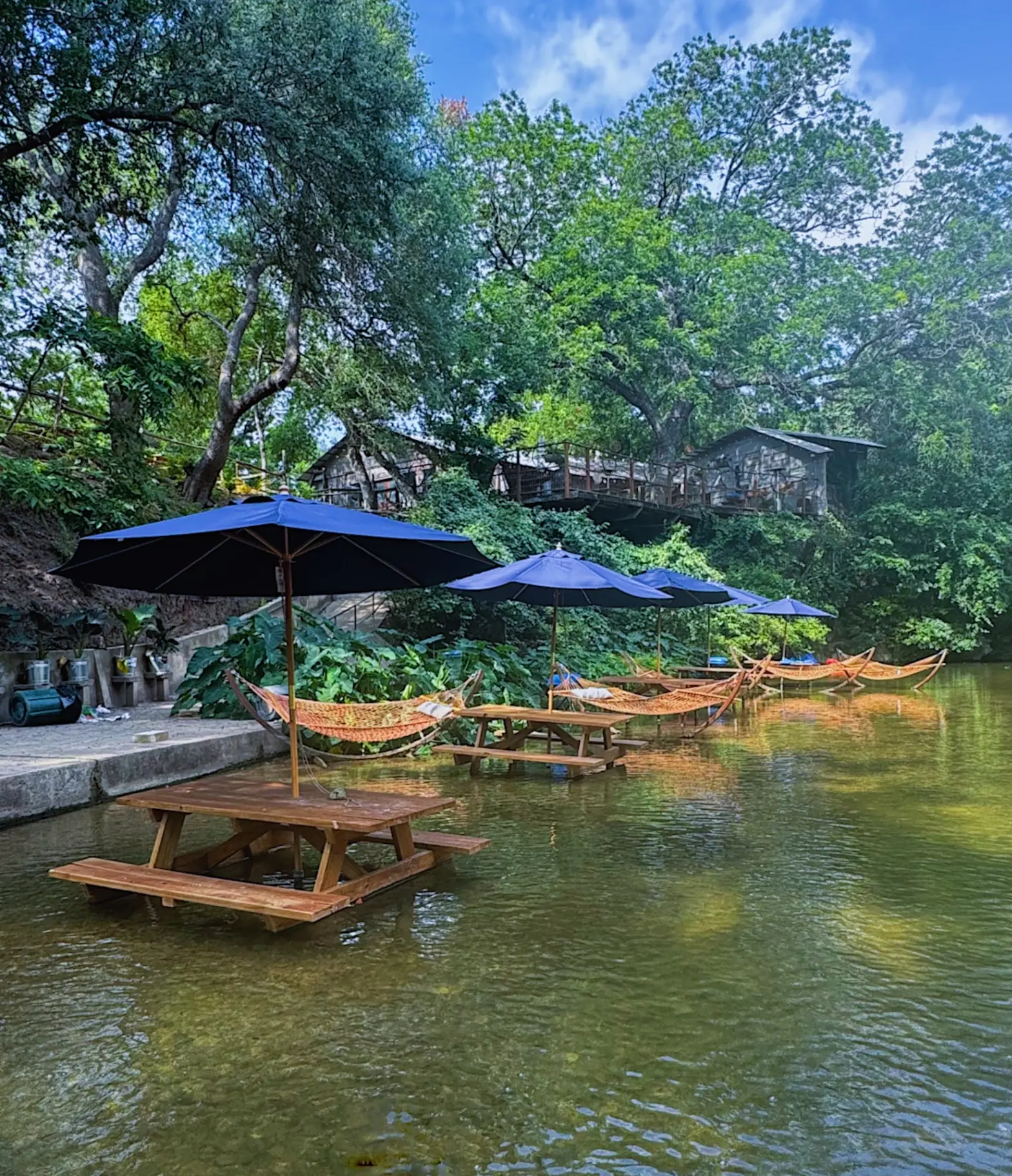
Established in 1987, Rio Cibolo Ranch represents the ultimate balance of historic Texas character, natural beauty, and massive operational infrastructure — combining the reliability of a dedicated event center, the authenticity of a real working ranch, and the scale that boutique venues simply cannot offer. Spanning 100 acres of pristine, working Texas ranch land on the banks of the beautiful Cibolo Creek, the property is located just 25 minutes east of downtown San Antonio, making it incredibly accessible for city-center hotel guests.
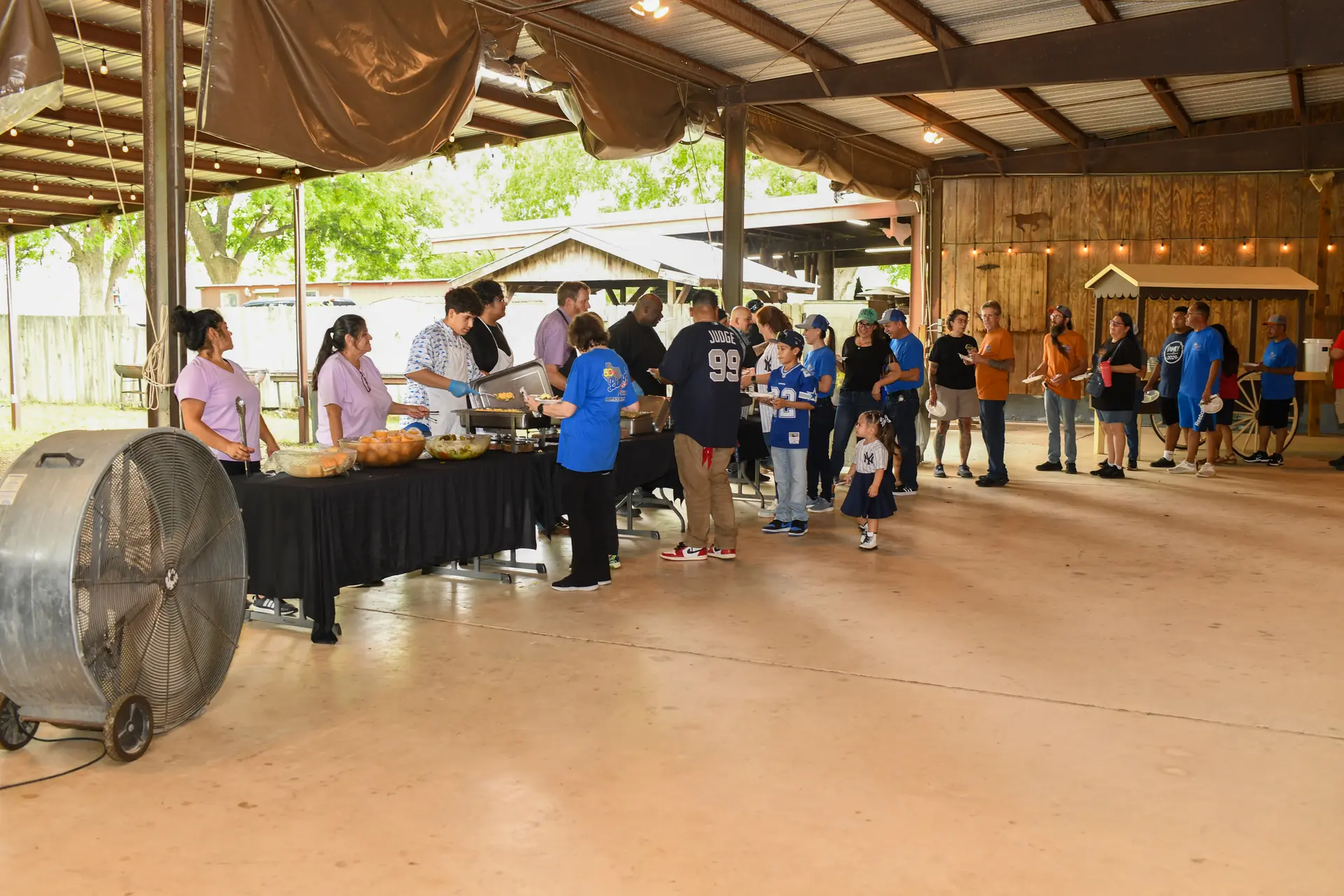
- Natural Scale and Venues: The Ranch's physical assets are uniquely built to scale. For intimate gatherings of up to 150 guests, The Lily House offers gorgeous Hill Country architecture, a large creek-side wooden deck nestled under towering pecan trees, and a commercial prep kitchen. For massive gatherings of up to 5,000-plus guests, The Corral provides an enormous, weather-proof covered pavilion complete with a full commercial kitchen, heavy-duty walk-in coolers, permanent bars, and a massive stage for live concerts and presentations. Whether you need a special event venue, a company picnic venue, or a full team building retreat, the same property scales to fit.
- The Working Ranch Experience: Unlike commercial event centers, Rio Cibolo is a true working ranch. Guests are greeted by longhorn cattle, can wander through vast pecan orchards, and enjoy stunning waterfront views of Cibolo Creek. The property naturally facilitates outdoor games, hayrides, and expansive team-building activities without feeling cramped or manufactured.
- On-Site Lodging Integration: One of Rio Cibolo's most powerful differentiators is its direct connection to Son's Rio Cibolo, located immediately next door. This resort-style property features 64 beautiful cabins, three swimming pools, and four hot tubs. This integration allows planners to host multi-day corporate retreats, faith-based retreats, or destination weddings where guests can live, play, eat, and meet on-site, entirely eliminating the cost and logistics of daily bus transportation.
A Venue Comparison Matrix: Match Your Guest Count to the Right San Antonio Space
To help you quickly identify the best fit for your program, this matrix compares the major venue categories against Rio Cibolo Ranch across key operational criteria.
| Venue Type | Typical Capacity Range | Distance from Downtown San Antonio | Water Features & Natural Landscape | On-Site Lodging | Best Suited For |
|---|---|---|---|---|---|
| Downtown Hotel Ballrooms | 50 to 1,500 | 0–10 minutes | None (urban, indoor) | Yes (hotel rooms) | Formal conferences, structured banquets, and meetings tied to a convention hotel block. |
| Restaurant Private Dining & Buyouts | 10 to 150 | 0–15 minutes | River Walk views at select spots | No | VIP dinners, executive gatherings, and culinary-focused receptions. |
| Indoor Western Event Centers | 50 to 3,000 | 25–35 minutes | Paved grounds, manicured landscaping | No (requires off-site hotels) | Highly structured, indoor-focused Western banquets and convention events. |
| Themed "Old West" Ranches | 50 to 2,000 | 40+ minutes | Ponds and Hill Country views around themed sets | No (requires off-site hotels) | Tourism-focused cowboy entertainment and heavily themed set-piece events. |
| Boutique Rustic Venues | 20 to 300 | 25–40 minutes | Oak trees, grass lawns | No (requires off-site hotels) | Small, casual family reunions, simple barbecues, and low-complexity gatherings. |
| Rio Cibolo Ranch | 25 to 5,000+ | 25 minutes (East) | Cibolo Creek waterfront, towering pecan orchards, working ranch land | Yes (64 cabins, 3 pools, 4 hot tubs next door at Son's Rio Cibolo) | Scalable events of all sizes, multi-day retreats, outdoor festivals, team building, and seamless indoor-outdoor flows. |
Solving the Lodging Puzzle: Accommodating Multi-Day Retreats
For multi-day corporate retreats, leadership summits, and regional association gatherings, lodging is often the most complex puzzle a planner has to solve. When your meeting space, dining venues, and guest accommodations are scattered across different parts of the city, your budget is quickly consumed by charter bus rentals, coordination scheduling, and lost transit time.
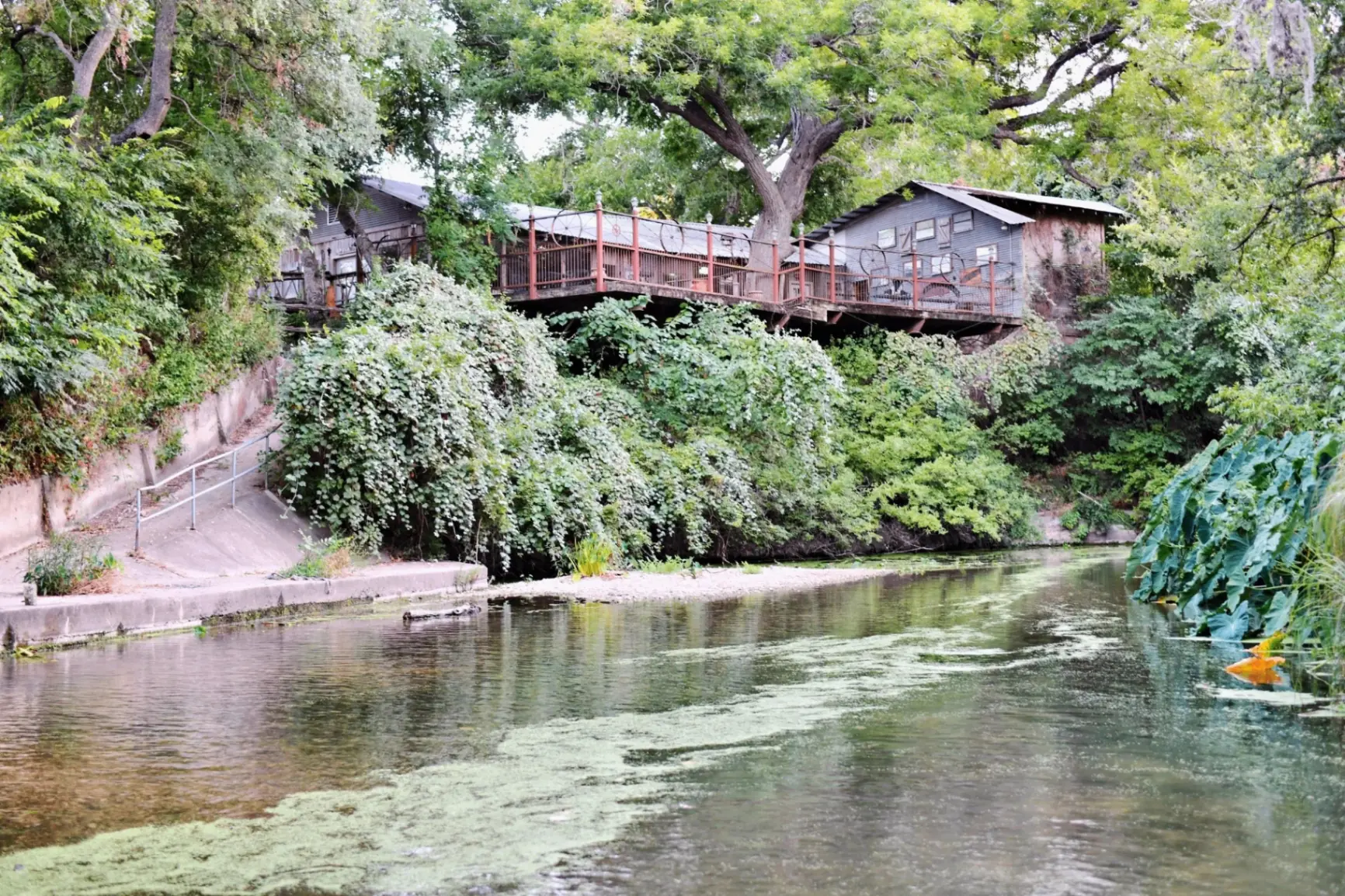
This is why an integrated property is a logistical game-changer. With Son's Rio Cibolo immediately next door to the ranch, planners can design an immersive, self-contained retreat venue environment.
Imagine this seamless itinerary:
- Morning: Your executives or team members wake up in private, comfortable cabins surrounded by nature. They walk over to the Lily House for a hot breakfast and a productive morning strategy session overlooking the water.
- Afternoon: The team steps outside for a catered lunch under the pecan trees, followed by a customized team-building kayak race down Cibolo Creek or a lawn game tournament on the expansive grounds.
- Evening: Guests gather at the Corral for a world-class, Texas-style barbecue dinner, cold drinks at the built-in bars, and live music on the main stage, under the stars.
- Night: Without waiting for a single shuttle bus, guests stroll back to their cabins, or unwind in one of the three sparkling pools and four hot tubs.
This integrated approach not only drastically reduces your transportation budget, but it also fosters deeper organic connections among your guests. Free from the rigid timelines of city transit, attendees can relax, focus, and truly engage with the program.
Step-by-Step San Antonio Event Planning Checklist for 2026
To ensure no detail is overlooked, use this step-by-step checklist designed for planners coordinating programs in the San Antonio area for 2026.
Phase 1
9–12 Months Out — Conceptualization & Goal Alignment
-
Define the Event Objectives
Determine whether the goal is formal education, executive alignment, team building, or a milestone celebration.
-
Establish Guest Count & Profile
Lock in your projected attendance. Will spouses and families be attending, or is this strictly an employee/executive event?
-
Determine the Vibe
Choose between an urban, neighborhood-centric experience (Downtown/Pearl) or an expansive, natural Texas escape (Rio Cibolo Ranch).
Phase 2
6–9 Months Out — Venue Selection & Lodging Logistics
-
Assess Venue Scale
Ensure the selected venue can physically accommodate your maximum guest count with built-in rain-plan spaces (such as the massive covered Corral pavilion).
-
Audit the Infrastructure
Verify that the venue has permanent, commercial-grade kitchens, walk-in coolers, and dedicated high-volume bar areas to avoid catering delays.
-
Solve the Lodging Puzzle
If hosting a multi-day event, evaluate if on-site cabin accommodations (like those at Son's Rio Cibolo) can be utilized to eliminate bus transportation logistics.
-
Secure Permits & Dates
Confirm there are no major city-wide conventions or festivals (such as Fiesta San Antonio) that will conflict with your hotel block or venue dates.
Phase 3
3–6 Months Out — Culinary & Experience Curation
-
Design the Menu
Work with your culinary team to build a menu that reflects San Antonio's heritage — incorporating local elements like authentic Tex-Mex, craft fusion barbecue, or upscale wood-fired steaks.
-
Coordinate Dietary Accommodations
Ensure the kitchen can seamlessly scale to accommodate vegetarian, vegan, and gluten-free guests without compromising food quality.
-
Plan Activities & Entertainment
Book live music, lawn games, hayrides, water sports, or professional team-building facilitators to keep guests engaged.
Phase 4
1–2 Months Out — Final Logistics & Execution
-
Map Transportation Routes
Detail the exact bus drop-off and pickup locations. Ensure the venue features wide-radius turn lanes and clear signage for coach drivers.
-
Run a Production Walkthrough
Test the audiovisual capabilities, stage lighting, and power distribution, especially for outdoor or pavilion-style setups.
-
Finalize Rain Plans
Ensure all outdoor elements have a designated, equally impressive covered space ready to deploy in case of inclement weather.
-
Enjoy the Event
Relax and watch your well-planned program execute flawlessly in one of the country's most beautiful, culturally rich destinations.
Ready to see how far 100 acres on Cibolo Creek can scale? Request your date and tour the ranch just 25 minutes from downtown San Antonio.
Frequently Asked Questions
Plan Your Visit
Come walk the ranch with us.
The fastest way to know if Rio Cibolo Ranch is right for your gathering is to see it in person. Tours are private, unhurried, and free.